
Heat on Concrete: Sophia Mengrosso's Lust Ignites
"Lust" by Sophia Mengrosso doesn't take you slowly into the "Lust" world. It hits you as if it is hot on the ground like concrete. The "Static" of a bad idea hits against your epistemological structure like teeth are "sticking", and then there is the intense heat of this "desire". You can actually hear and feel it all at once as if you were looking into a "Bad Idea" mirror and deciding to pursue.
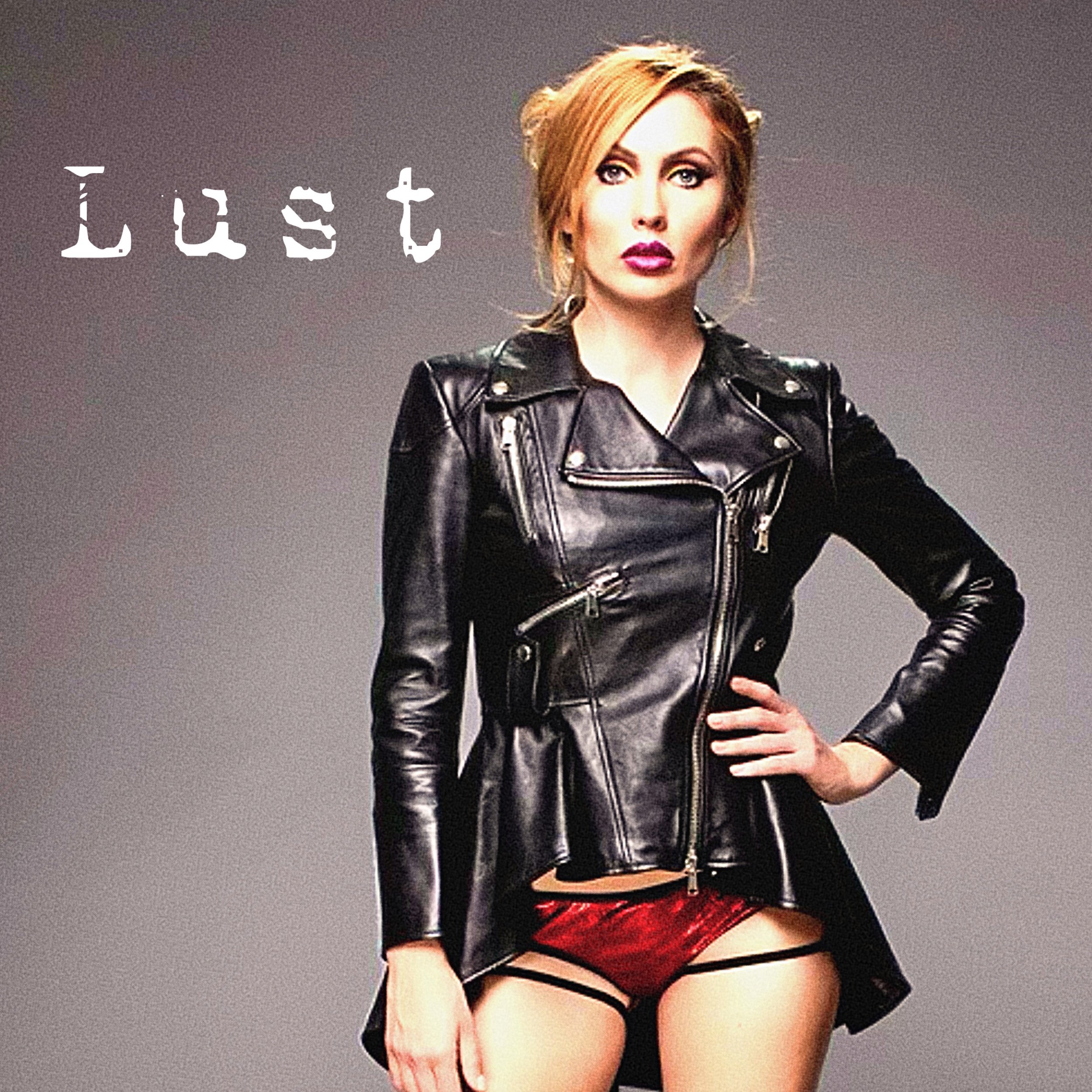
You feel this as being similar to where restraint breaks down, and/or where the "Mask" falls from your "Hero's Journey".
Although Sophia is classically trained as an opera singer (as noted previously), she was taught discipline as a classical singer "early" in her singing career; that is, to control the "power" of her voice and to present in such a way to "control" an audience (without destroying them).
However, that type of performance, as a metal/rock vocalist, has now given her permission to let go and "bleed" on stage in all of her songs. "Lust" represents the coming together of both worlds (opera on one hand and rock/metal on the other), creating an "immense" detonation of "fire" that expresses the sentiments, "Take this flame, make it cruel…" when she sings. An example of that will create the agitation of a human being, "Intimacy is risk", and therefore nothing is "half-measured", because everything is either "everything" or "nothing".
Visually, the "Lust" world represents a visual depiction of the intense sound of Sophia's voice: sharp edges and dark frames of both the audience and Sophia on stage. The body language/tone of Sophia shows that she understands the consequences of her choice, yet she is still willing to pay the price. It’s the recognition of the body, mind, and soul (of both Sophia and the audience) that is in the lyric video of "Lust", with an audience that not only hears what they hear, but also recognizes who they are in their past and current lives.
The authenticity presented in Sophia Mengrosso's debut album Unforgiven shows the way that living experience and trauma can be translated into art creating a signal with thirteen songs. These songs do not fall into the category of pop-therapy or marketable empowering music, but instead they are direct expressions of confronting the realities of life. The last chapter of this story was Lust, which followed Fading Into Silence and acknowledges that it may be dangerous to want something but not wanting it is worse.
Mengrosso has never attempted to create authenticity through posturing; she captures the idea of vulnerability as a
product not as an image. And in a world where everything is produced for visualization and coating to look polished, this rawness has the ability to create feedback against an amplifier and explode the speakers.
The Ash begins to settle, the static is diminished, but the warmth continues.
Sophia Mengrosso is not looking for an approval from you; she is asking if you are brave enough to join her in feeling it all.